Fine-Grained Fashion Annotation: Transforming the Future of AI in Fashion
Fashion is one of the most dynamic industries in the world. Styles shift, new fabrics emerge, and consumer tastes evolve overnight. For AI systems to keep up, they need data that goes beyond “this is a shirt” or “this is a dress.” That’s where fine-grained fashion annotation comes in, and at Pixel Annotation, it’s what we do best.
What is Fine-Grained Fashion Annotation?
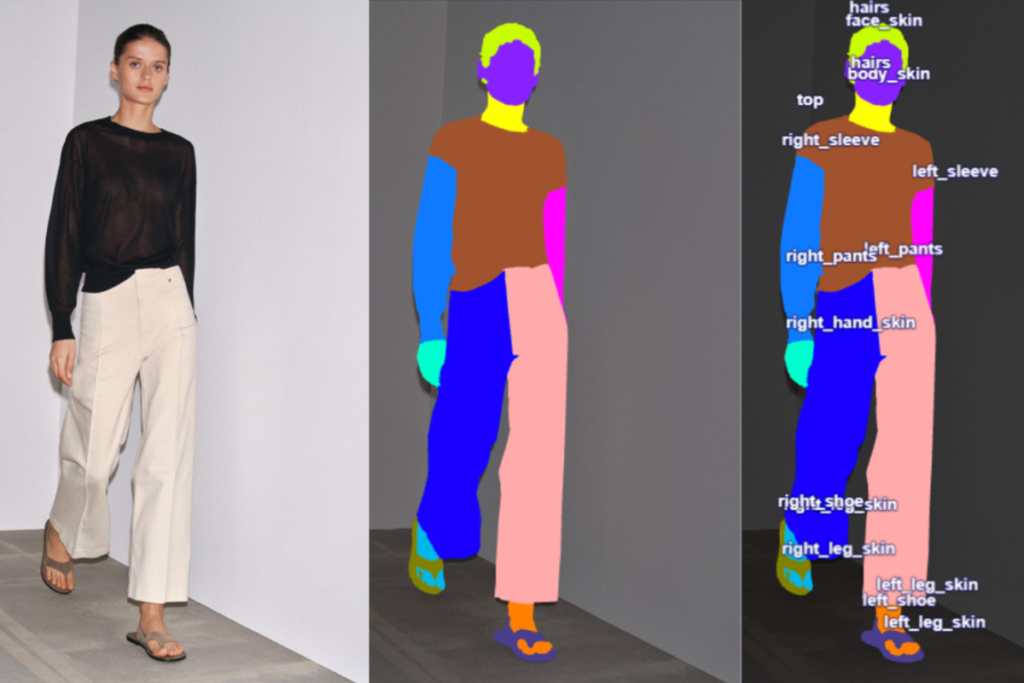
Fine-grained fashion annotation is the process of labeling garments not just as whole items but as detailed parts and sides. Instead of calling something “pants,” annotation breaks it into:
- Left leg / Right leg
- Waistband / Hem
- Pockets (front, back, left, right)
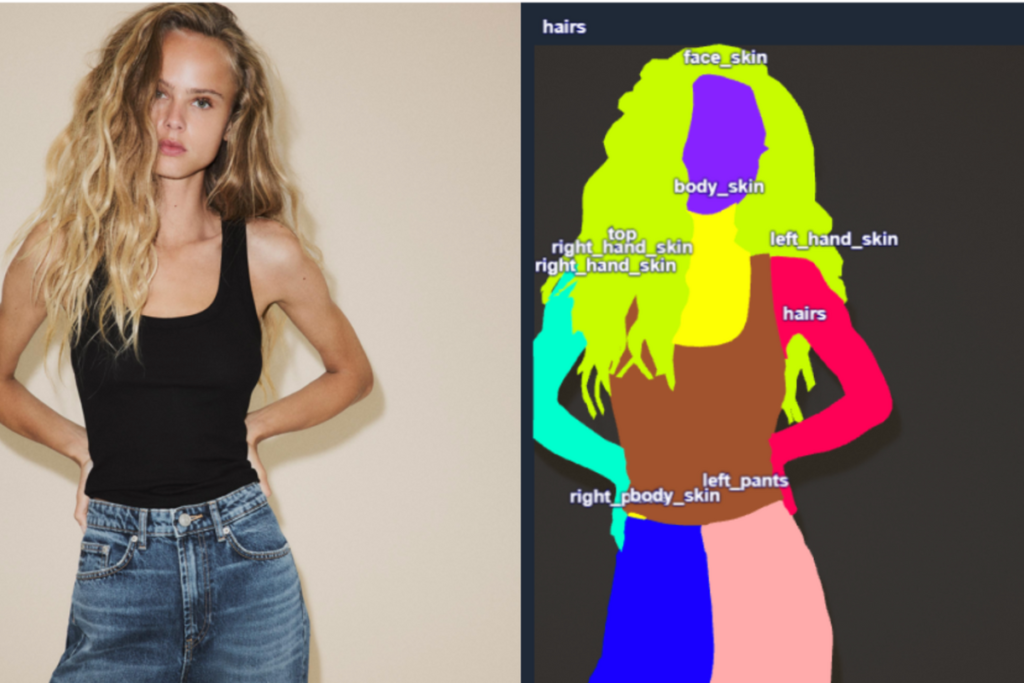
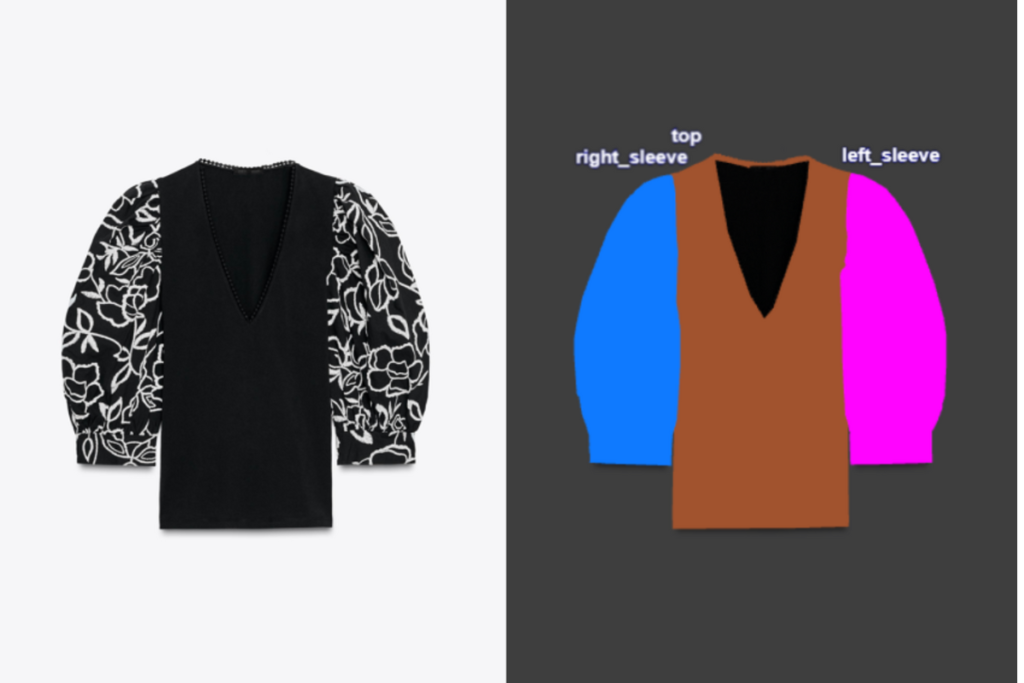
Similarly, a “shirt” is annotated into sleeves, collar, cuffs, front panel, and back panel. Accessories get equal attention too, glasses aren’t just “glasses,” but frames, left lens, right lens. Jewelry isn’t just “earrings,” but left earring, right earring.
This level of detail relies on image annotation services such as polygon annotation and instance segmentation, which allow AI to “see” garments the way fashion experts and shoppers do.
Why Does It Matter?
Think about your last online shopping experience. Have you ever wondered why recommendations sometimes feel generic, like suggesting a random t-shirt when you’re searching for a specific cropped jacket? That happens because most AI systems are trained with basic labels, not fine-grained ones.
With precise, part-level annotation powered by professional data annotation services, AI can differentiate between:
- A V-neck blouse vs. a crew-neck top
- A trench coat vs. a cropped jacket
- A skirt with ruffles vs. one with a straight hem
This granularity makes shopping recommendations more accurate, virtual try-ons more realistic, and product searches much closer to how humans think.
Real-World Applications of Fine-Grained Annotation
Fine-grained fashion annotation isn’t just about labeling garments; it’s about unlocking entirely new possibilities for how fashion brands, e-commerce platforms, and consumers interact.
1. Photorealistic Virtual Try-On
When annotation is done at the pixel and part level using instance segmentation, AI can place garments onto digital models with perfect alignment and realistic draping. Instead of flat cutouts, consumers see how fabrics stretch, fold, or layer in motion.
Imagine reducing returns by 40% just because customers can see how that dress looks on their body shape before purchasing.
2. Next-Level E-Commerce Search & Discovery
Today, most fashion search is keyword-driven. But consumers don’t always think in keywords. Fine-grained annotation enables attribute-level discovery:
- Search “maxi dress with spaghetti straps and side slit”
- Filter jackets by “double-breasted, cropped, with gold buttons”
This is possible because of image annotation services that tag every detail of a garment, going beyond “red dress” into the exact cuts, embellishments, and parts shoppers care about.
Have you ever quit shopping online because you just couldn’t find the exact cut, style, or detail you wanted?
3. Personalized Styling & Recommendations
When AI knows clothing parts and attributes in detail, it can style outfits like a personal stylist:
- Pairing a V-neck top with jewelry that complements the neckline
- Suggesting belts that match the waistline of pants
- Recommending accessories that balance sleeve types or skirt shapes
This isn’t just “people also bought,”it’s data-driven styling, powered by data annotation services that understand the finer details of fashion.
4. Trend Forecasting & Consumer Insights
Because annotation breaks garments into detailed classes (sleeves, hems, collars, embellishments), AI can detect emerging design patterns at scale:
- Identifying regional micro-trends (puffed sleeves in Paris, cut-outs in Seoul)
- Tracking fabric choices (sustainable denim vs. polyester blends)
- Forecasting seasonal shifts before they hit the mainstream
With instance segmentation, brands get pixel-level insights into what’s trending, helping them stay ahead of consumer demand.
5. Automated Catalog Management
For fashion e-commerce platforms with thousands of SKUs, annotation automates the tagging, classification, and cataloging of new inventory.
- No more manual data entry of attributes
- Consistent product tagging across marketplaces
- Faster product uploads and improved SEO ranking
Here, data annotation services ensure that every item, from dresses to accessories, is consistently labeled and ready for digital shelves.
6. AR/VR Shopping Experiences
As fashion moves into the metaverse and AR spaces, fine-grained annotation ensures garments are 3D-ready. Thanks to image annotation services like polygon annotation and instance segmentation, every sleeve, pocket, or strap is mapped correctly for immersive digital experiences.
7. Sustainability & Smart Returns
A huge sustainability issue in fashion is returns, largely due to sizing and fit mismatches. With pixel-accurate try-on and detailed annotation, customers choose better, reducing waste and returns. This aligns with eco-conscious consumers and brand responsibility goals.
The Pixel Annotation Edge
Of course, fine-grained annotation isn’t simple. Garments come in different fabrics, patterns, and layers. A ruffled skirt looks very different from a pleated one, and annotating left vs. right sleeves requires high precision.
That’s where Pixel Annotation brings expertise:
- Skilled teams who understand both fashion and annotation standards
- Polygon-based image annotation services to precisely outline irregular garment shapes
- Instance segmentation to capture every detail of complex clothing
- A white-label, customizable try-on solution that scales with any brand’s identity
What if your fashion AI could “understand” clothing at the same level as a seasoned stylist? That’s the level of accuracy fine-grained annotation enables.
The Future of Fashion AI
As AI in fashion grows, one truth is clear: without accurate annotation, AI is blind. Fine-grained fashion annotation is not just a technical step; it’s the bridge between raw fashion data and intelligent applications that transform the consumer experience. At Pixel Annotation, we believe the future of fashion AI lies in detail. And detail starts with the right data annotation services, the most precise image annotation services, and advanced instance segmentation.
ALSO READ: Data Annotation in Smart Retail Evolution